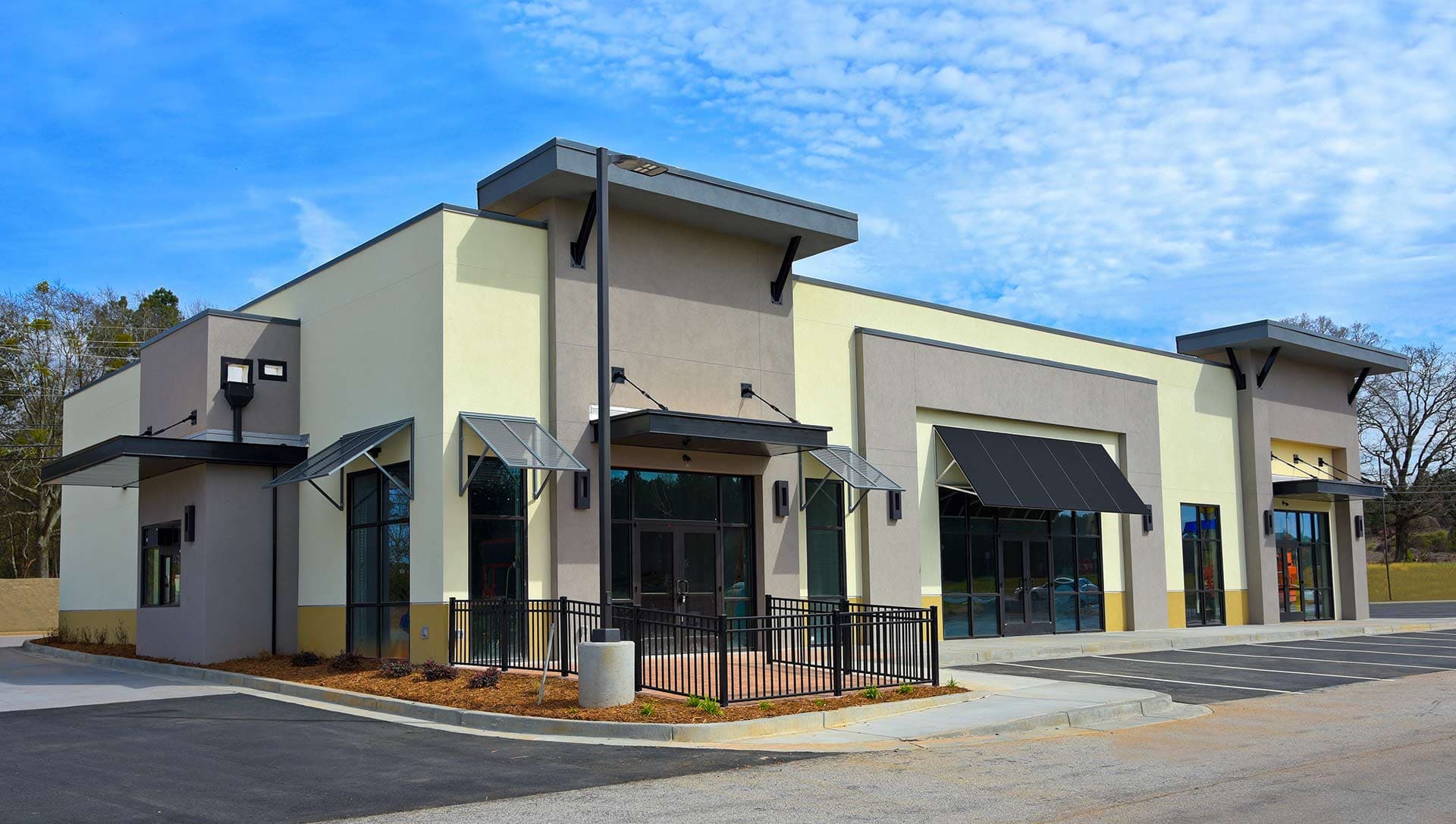
Retail Properties in Houston, TX
Capitalize on consumer spending patterns with prime Houston retail locations and credit tenants.
About Retail Properties
Retail property covers a wide range of formats, from a single tenant fast casual restaurant building to a multi tenant neighborhood shopping center, and the differences between those formats matter significantly when evaluating retail as 1031 replacement property. Houston, TX's retail market benefits from sustained population growth and consumer spending across a large and economically diverse metro area, but performance still varies considerably depending on the specific format, tenant mix, and location within the region.
Understanding which retail format fits an investor's goals, whether that is minimal management responsibility, exposure to sales growth, or diversified tenant risk, is the first step before evaluating any specific candidate property within the forty five day identification window.
Single Tenant Versus Shopping Center Retail
Single tenant retail, often leased to a national or regional chain under a triple net structure, offers the most passive holding of the retail formats, since the tenant typically covers property taxes, insurance, and maintenance directly and the landlord's involvement is largely limited to collecting rent and enforcing the lease. These properties trade heavily on tenant credit quality and remaining lease term, and evaluating a candidate means reviewing the specific tenant's financial strength and the lease's structure, including any early termination or co-tenancy clauses that could affect long term income stability.
Multi tenant shopping centers, by contrast, spread risk across several tenants rather than concentrating it in one, which can reduce the impact of any single tenant vacating, but they also require more active management, more frequent leasing activity, and more attention to the center's overall anchor tenant health, since a struggling or vacated anchor can affect traffic and rents for the smaller in line tenants around it. In Houston, TX, shopping centers anchored by grocery or other daily needs retailers have generally shown more resilience than centers anchored by tenants more exposed to e-commerce competition.
Percentage Rent and Sales-Based Income
Some retail leases, particularly in stronger performing centers, include percentage rent clauses where the tenant pays additional rent once sales exceed a specified breakpoint, giving the landlord some upside participation in a tenant's performance beyond the base rent. Evaluating this feature requires reviewing actual historical sales data where available, since projected percentage rent income that has never materialized in practice should not be underwritten as a reliable part of the property's income.
This service supports Houston, TX investors evaluating both single tenant and multi tenant retail replacement property, reviewing tenant credit, lease structure, and location fundamentals within the forty five day identification period, and coordinating due diligence and closing to meet the one hundred eighty day exchange deadline whether the target property is in a Houston, TX retail corridor or identified in another market nationwide.
Co-tenancy clauses, which allow a tenant to reduce rent or terminate its lease if a specified anchor tenant vacates, are worth identifying early in retail due diligence, since they can convert what looks like a stable multi tenant income stream into one with hidden downside risk tied to a single anchor's continued occupancy. We review lease abstracts for co-tenancy provisions, exclusive use clauses that might restrict future re-tenanting options, and any pending anchor tenant renewal decisions before an investor commits to identifying a Houston, TX shopping center as replacement property, since these lease mechanics can materially affect the property's income stability in ways a simple rent roll summary would not reveal.
E-commerce exposure varies significantly by retail category, and understanding a tenant's specific business model matters more than broad statements about retail's resilience or vulnerability to online competition. Service based tenants, including restaurants, medical and dental offices, fitness operators, and personal services, generally face less direct e-commerce competition than traditional soft goods retailers, and this distinction increasingly shapes which retail formats Houston, TX exchange investors prioritize when identifying replacement property. We review each candidate property's tenant mix specifically through this lens, weighting service oriented and daily needs tenants more favorably than categories facing more direct online substitution.
Deferred maintenance in retail centers, particularly parking lot condition, roof age, and HVAC systems serving common areas, should be reviewed carefully as well, since these costs are typically the landlord's responsibility even under many net lease structures for individual tenant spaces, and unaddressed capital needs can offset what otherwise looks like an attractive going in yield.
What's Included
- Retail property market analysis across Houston, TX and major retail corridors
- Tenant credit analysis and lease term evaluation for all occupancies
- Location and traffic analysis for retail performance potential
- Financial review including rent rolls and sales-based income projections
- Property condition assessments and maintenance planning
- Qualified intermediary coordination for secure acquisitions
Common Situations We Handle
- Investors seeking stable, long-term lease commitments with national retailers
- Property owners looking for passive income through triple net leases
- Investors wanting exposure to consumer spending and retail trends
Example of Our Work
Service Type
Retail Properties
Location
Houston, TX
Scope
Identification and acquisition of $7.1 million in retail properties across Houston, TX markets
Client Situation
An investor selling office properties needed to identify retail replacement properties within 45 days for a 1031 exchange, seeking assets with national credit tenants and stable cash flow in established retail corridors.
Our Approach
We analyzed retail markets across Houston, TX, evaluated tenant quality and lease terms, conducted property inspections, and coordinated acquisitions through qualified intermediaries within the required exchange timelines.
Expected Outcome
Successfully acquired four retail properties with 100% occupancy by national credit tenants and average lease terms of 12 years, establishing a stable retail portfolio while preserving full tax deferral.
Contact us to discuss your retail property needs in Houston, TX. We can share references upon request.
Educational content only. Not tax, legal, or investment advice.
Frequently Asked Questions
What makes retail properties suitable for 1031 exchanges in Houston, TX?
Retail properties are suitable for 1031 exchanges in Houston, TX due to stable lease terms with established national retailers, consistent occupancy rates, and the ability to provide passive income through triple net leases. These properties offer diversification and exposure to consumer spending patterns that support long-term investment objectives in Houston, TX.
How do you evaluate tenant credit quality in retail properties?
Tenant credit evaluation in Houston, TX retail properties includes reviewing retailer financial statements, sales performance, bankruptcy risk, and industry position. We prioritize properties with investment-grade national retailers, strong balance sheets, and proven track records that ensure reliable rental payments and long-term occupancy.
What are typical lease structures for retail properties in Houston, TX?
Retail properties in Houston, TX typically feature 5-15 year leases with fixed minimum rents plus percentage rent based on sales. Our property identification focuses on assets with established retailers, staggered lease expirations, and terms that provide both stable income and growth potential through sales participation.
How does location affect retail property performance in Houston, TX?
Location is critical for retail properties in Houston, TX, with premium positioning near major highways, in established shopping centers, or in high-traffic areas. Properties with strong visibility, accessibility, and demographic alignment command higher rents and maintain better occupancy, which we emphasize in our nationwide identification process.
What types of retail properties qualify for like-kind exchanges?
All types of retail properties in Houston, TX can qualify for like-kind exchanges, including shopping centers, single-tenant freestanding buildings, strip centers, and specialty retail facilities. The key requirement is business use, which retail properties satisfy through their commercial leases and operational history.
How do you handle percentage rent in retail property analysis?
Percentage rent analysis in Houston, TX retail properties includes reviewing historical sales data, lease terms, and growth projections. We evaluate properties for their ability to generate additional income through sales-based rent while ensuring base rents provide stable cash flow that meets exchange investment objectives.
Ready to Get Started?
Contact our Houston exchange specialists to discuss your retail properties needs.
Start Your Exchange