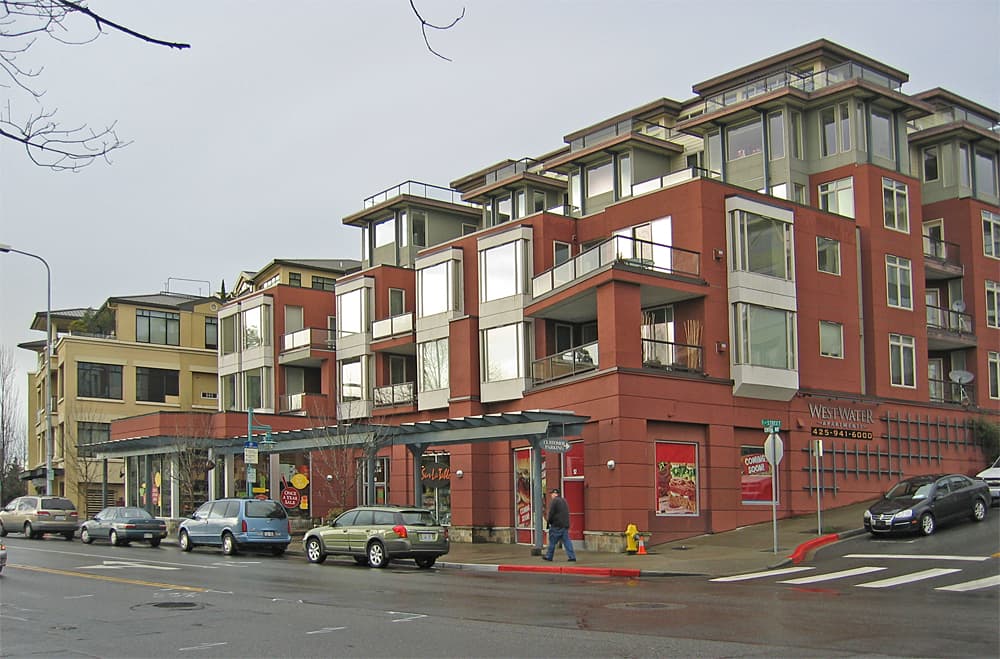
Mixed Use Properties in Houston, TX
Blend retail, office, and residential income with carefully modeled absorption timelines.
About Mixed Use Properties
Mixed use property combines two or more income types, most commonly ground floor retail with residential or office space above, within a single asset, and it has become an increasingly common format in Houston, TX's urban core and in several suburban town center developments built around walkability. For 1031 exchange investors, mixed use offers a form of built in diversification within a single property, since a downturn affecting one income stream does not necessarily affect the others the same way, but that same complexity means evaluating a mixed use candidate takes more work than underwriting a single use property of comparable size.
Because each component, retail, residential, or office, has its own leasing dynamics, tenant expectations, and management requirements, a mixed use property is effectively several smaller investments bundled together, and it should be evaluated that way rather than treated as a single homogenous asset.
Underwriting Two or Three Income Streams at Once
Evaluating a mixed use candidate property means reviewing each component separately: the retail component's tenant mix and lease terms, the residential component's occupancy and rent trends if applicable, and the office component's tenant credit and lease rollover if that is part of the mix. In Houston, TX, ground floor retail tenants often depend on foot traffic generated by the residential or office tenants above them, which creates a genuine operational connection between the components, not just a shared address, and a vacancy in one part of the building can affect performance in another.
Financial due diligence for mixed use property typically requires a blended proforma that models each income stream against its own market comparables rather than applying a single cap rate or rent growth assumption across the entire building, since retail, residential, and office each carry different risk and return characteristics even within the same physical structure.
Management Complexity Investors Should Expect
Mixed use properties generally require more active management coordination than a single use asset, since retail, residential, and office tenants have different lease structures, different maintenance expectations, and often different points of contact within a management company. Investors coming from a passive, fully net leased single tenant property should understand this increase in complexity before identifying a mixed use candidate, since it is a meaningfully different ownership experience even when the total square footage and purchase price look comparable.
This service supports Houston, TX investors evaluating mixed use replacement property within the forty five day identification window, reviewing each income component separately and assessing the management structure needed to operate the property effectively, and coordinates due diligence and closing to meet the one hundred eighty day exchange deadline for properties in Houston, TX or identified in other markets nationwide.
Financing mixed use property can also be more involved than financing a single use asset, since some lenders specialize in one property type and are less comfortable underwriting a blended risk profile, which can narrow the pool of available lenders or affect loan terms compared to a comparable single use acquisition. We factor financing availability and terms into the evaluation of any mixed use candidate early in the process, rather than assuming financing will be straightforward simply because the individual components, taken separately, would each be easy to finance on their own. For Houston, TX investors using leverage on a mixed use acquisition, confirming lender appetite before identification helps avoid a financing delay that threatens the one hundred eighty day closing deadline.
Zoning and use restrictions deserve particular attention in mixed use due diligence, since the combination of uses that makes a property attractive today depends on continued compliance with the zoning or deed restrictions that permitted that mix in the first place, and Houston, TX's development pattern, which relies more heavily on deed restrictions than traditional citywide zoning, means these restrictions can vary considerably from one property to the next even within the same neighborhood. We review the specific restrictions applicable to a candidate mixed use property, not just its current use, before an investor commits to identifying it as replacement property.
Common area maintenance allocation across the different components, retail, residential, and any office space, also needs careful review, since a poorly structured allocation can leave the landlord absorbing costs that should reasonably be shared across tenant types, an issue that becomes apparent only when reviewing the actual lease language and historical CAM reconciliations rather than the property's marketing summary.
What's Included
- Tenant mix analysis and income diversification assessment
- Property component evaluation (retail, residential, commercial)
- Market absorption analysis and occupancy projections
- Management structure review and operating efficiency assessment
- Financial modeling for blended income streams
- Qualified intermediary coordination for complex fund management
Common Situations We Handle
- Investors seeking diversification beyond single-property-type portfolios
- Property owners capitalizing on urban density and walkability trends
- Exchange participants looking for enhanced property valuations through mixed use formats
Example of Our Work
Service Type
Mixed Use Properties
Location
Houston, TX
Scope
Identified and acquired $22.3 million mixed use development with retail, residential, and office components in Houston suburb
Client Situation
A Florida investor selling single-tenant retail properties needed diversified replacement assets within 45 days, seeking income stability through multiple revenue streams
Our Approach
Analyzed 18 mixed use opportunities focusing on tenant diversification and market absorption, evaluated property management structures, coordinated complex closing with multiple stakeholder groups
Expected Outcome
Successfully completed exchange with 92% overall occupancy across property components, achieving blended 6.8% cash-on-cash returns with enhanced portfolio diversification
Contact us to discuss your situation in Houston, TX. We can share references upon request.
Educational content only. Not tax, legal, or investment advice. 1031 defers income tax on qualifying real property and does not remove transfer or documentary taxes.
Frequently Asked Questions
What makes mixed use properties suitable for 1031 exchanges in Houston, TX?
Mixed use properties in Houston, TX offer diversified income streams through residential, commercial, and retail components, reducing vacancy risk and enhancing property valuations. These integrated developments benefit from urban density trends and walkable neighborhoods, providing stable cash flows suitable for 1031 exchange investors seeking portfolio diversification in Houston, TX.
How do identification rules apply to mixed use property exchanges?
Mixed use exchanges follow standard IRS identification rules, requiring replacement properties to be identified within forty five days of the relinquished property sale. Investors can identify up to three mixed use properties of unlimited value or any number of properties not exceeding 200% of the relinquished property's value. Our nationwide network helps Houston, TX investors access optimal mixed use opportunities across all major U.S. markets.
What components should be included in Houston, TX mixed use properties?
Successful mixed use properties in Houston, TX typically combine ground-floor retail with upper-level residential or office space, creating natural tenant synergies. Strong retail anchors drive foot traffic for residential units, while commercial spaces provide daytime activity. The ideal mix balances income stability with long-term appreciation potential in Houston, TX.
How do mixed use properties perform in different Houston, TX neighborhoods?
Mixed use properties perform well in Houston, TX's urban core, suburban town centers, and transit-oriented developments. Downtown locations benefit from corporate density, while suburban mixed use centers serve growing residential populations. Each neighborhood offers unique dynamics, from high-density urban environments to family-oriented suburban communities in Houston, TX.
What management considerations apply to mixed use properties in Houston, TX?
Mixed use properties in Houston, TX require coordinated management of retail, residential, and commercial tenants with different operational needs. Professional management companies handle lease administration, maintenance coordination, and tenant relations across property components. This complexity makes experienced management essential for maintaining property value and cash flow stability in Houston, TX.
Ready to Get Started?
Contact our Houston exchange specialists to discuss your mixed use properties needs.
Start Your Exchange