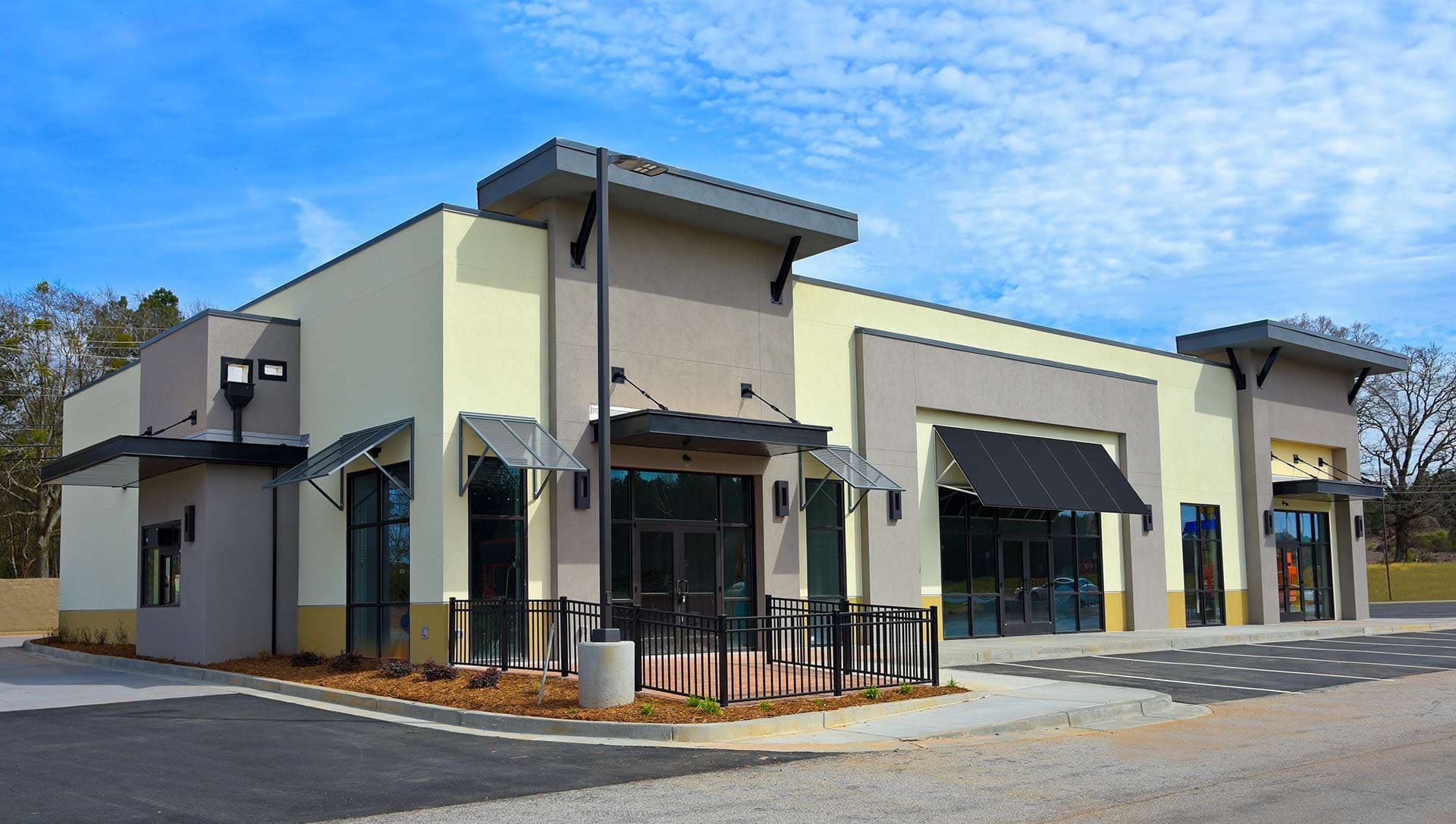
Office Properties in Houston, TX
Secure long-term leases with corporate tenants in Houston's growing business districts.
About Office Properties
Office property occupies a more complicated position in the replacement property conversation than it did a decade ago, and Houston, TX investors evaluating this asset class benefit from a clear eyed view of that shift rather than assumptions carried over from an earlier market cycle. Hybrid and remote work patterns have changed demand for office space broadly, and while well located, well amenitized buildings with strong tenant credit continue to perform, older or functionally outdated office stock in weaker locations has faced real occupancy and valuation pressure across most major markets, Houston included.
That distinction, between resilient office assets and struggling ones, matters more in underwriting a 1031 replacement property today than a general market average does, and the difference often comes down to building class, location, and tenant industry rather than simply square footage or headline rent.
Class A Versus Class B in Houston's Office Market
Houston, TX's Class A office buildings, particularly those in newer submarkets or recently renovated with modern amenities, have generally held occupancy and tenant demand better than older Class B and C stock, which has seen higher vacancy as tenants consolidate into higher quality space during lease renewals. Energy sector tenancy remains a meaningful driver of Houston, TX office demand alongside healthcare, legal, and professional services firms, and evaluating a candidate building means understanding its specific tenant mix and how exposed that mix is to any single industry's cycle.
Medical office buildings, which often function closer to specialized retail or industrial in their lease structure and tenant stability, have generally outperformed traditional office during the recent market shift, and some Houston, TX investors moving out of traditional office elsewhere have used a 1031 exchange to reposition specifically into medical office as a more durable subset of the broader category.
Lease Rollover and Passive Holding Considerations
Because office tenant improvement costs and leasing commissions can be substantial relative to a multifamily or industrial transaction, evaluating lease rollover schedules matters more here: a property with several leases expiring within the first few years of ownership carries meaningfully more re leasing risk and capital exposure than one with staggered, longer term leases already in place. Professional property management is common in this asset class and supports the passive holding structure many exchange investors are looking for, though the active leasing decisions still require investor input in a way that a fully net leased single tenant property does not.
This service supports Houston, TX investors evaluating office replacement property within the forty five day identification window, with particular attention to tenant industry concentration, lease rollover timing, and building class positioning, and coordinates due diligence and closing to meet the one hundred eighty day exchange deadline across Houston, TX submarkets or other markets identified nationwide.
Parking ratio and building systems condition also deserve close review in office due diligence, since tenants increasingly weigh both factors heavily when choosing or renewing space, and a building with an inadequate parking ratio for its market or an aging HVAC system facing near term replacement can face leasing headwinds regardless of its location. We review recent capital expenditure history, any pending system replacements, and the property's parking ratio against current Houston, TX market expectations for the relevant submarket and tenant type, since these physical factors often explain occupancy trends more directly than broader market commentary about office demand in general.
Amenity packages have become a meaningful differentiator in the current office leasing environment, with buildings offering on site fitness facilities, conferencing space, or upgraded common areas generally outperforming comparable buildings without them, particularly as companies use office quality as a tool to encourage in person attendance. We evaluate a candidate building's amenity offering against its direct competitive set within the same Houston, TX submarket, since amenities that were differentiating five years ago may now be baseline expectations that no longer set a property apart from its competition.
Sublease space is another factor worth checking specifically in the current office market, since a building's headline occupancy figure can understate available space if a meaningful portion is being offered by existing tenants on a sublease basis. We review sublease listings within a candidate building and its immediate competitive set before finalizing an identification, since shadow supply from subleases can affect achievable rents even when the landlord's own vacancy appears low.
What's Included
- Office property market analysis across Houston, TX and major business centers
- Tenant and lease analysis for credit quality and term evaluation
- Building condition and amenity assessments
- Location analysis for accessibility and tenant demand
- Financial performance review including rent rolls and operating expenses
- Qualified intermediary coordination for secure fund transfers
Common Situations We Handle
- Investors transitioning from retail or industrial properties to office assets
- Property owners seeking stable, long-term lease commitments
- Investors looking for properties with professional management
Example of Our Work
Service Type
Office Properties
Location
Houston, TX
Scope
Identification and acquisition of $4.8 million in office properties across Houston, TX business districts
Client Situation
A commercial investor needed to identify office replacement properties within 45 days for a 1031 exchange, seeking assets with established tenants and stable cash flow in Houston's professional services market.
Our Approach
We evaluated office properties across Houston, TX business districts, conducted tenant analysis and building inspections, and coordinated acquisitions through qualified intermediaries within the required exchange timelines.
Expected Outcome
Successfully acquired two office buildings with 95% occupancy and average lease terms of 6 years, establishing a stable office portfolio with creditworthy professional services tenants while maintaining tax deferral.
Contact us to discuss your office property needs in Houston, TX. We can share references upon request.
Educational content only. Not tax, legal, or investment advice.
Frequently Asked Questions
What types of office properties work best for 1031 exchanges in Houston, TX?
Class A and Class B office properties in Houston, TX work well for 1031 exchanges, particularly those with established tenants in stable industries like healthcare, energy services, and professional services. Properties with multi-year leases and experienced management provide the stability needed for successful exchanges in Houston, TX.
How do you assess tenant quality in office properties?
Tenant quality assessment in Houston, TX office properties includes reviewing company credit ratings, business stability, lease terms, and industry outlook. We prioritize properties with investment-grade tenants, balanced lease expirations, and diverse tenant mixes that reduce concentration risk while ensuring reliable rental income.
What are typical lease terms for office properties in Houston, TX?
Office properties in Houston, TX typically feature leases of 3-10 years with 2-3% annual escalations and standard tenant improvement allowances. Our property identification focuses on assets with staggered lease rollovers and strong renewal histories that support long-term occupancy and income stability.
How does Houston, TX's economy affect office property investments?
Houston, TX's diverse economy, including energy, healthcare, and technology sectors, supports sustained demand for office space. Our nationwide property identification allows investors to leverage Houston, TX's economic strengths while accessing opportunities in other major markets showing corporate growth and employment expansion.
What building features should I look for in office properties?
Modern office properties in Houston, TX should feature efficient floor plates, adequate parking, modern HVAC systems, and technological infrastructure. We evaluate properties for their condition, amenities, and ability to attract quality tenants while ensuring they meet exchange requirements and provide long-term holding potential.
How do you handle management responsibilities for office properties?
Office property management in Houston, TX can be handled by professional management companies, allowing passive ownership that aligns with exchange requirements. We evaluate management capabilities, fee structures, and track records to ensure properties can be efficiently operated while maintaining tenant satisfaction and occupancy rates.
Ready to Get Started?
Contact our Houston exchange specialists to discuss your office properties needs.
Start Your Exchange